

Rethinking Care in Chronic Illness
Rethinking Care in Chronic Illness
2024
2024
Domain
TLDR;
Investigated the disconnect between clinical treatment and lived experience in chronic illness, using qualitative research to turn patient and clinician insights into actionable design principles.
CONTEXT
Chronic illness management in the U.S. healthcare system reveals a persistent gap between how patients live with their conditions and how medical professionals understand and address them. While doctors rely on data and clinical expertise, patients navigate the emotional, social, and everyday realities of ongoing care.
CONCEPT
This project aimed to study that disconnect, understanding where communication and empathy break down, and translate those insights into actionable design principles. The goal was to identify how design can help bridge the gap between lived experience and medical knowledge, ultimately improving the quality of care
and life for people managing chronic illness.
CATEGORIES
Strategy
Strategy
Strategy
Strategy
TIMELINE
12 Weeks



MY ROLE
Built and executed a research plan. Led end-to-end research, from expert interviews to desk and field synthesis, to uncover insights that shaped our design principles, then validated and evolved them through a co-creation workshop.

Problem framing
How might we improve care for people with chronic conditions by centering them in a collaborative healthcare model?
How might we improve care for people with chronic conditions by centering them in a collaborative healthcare model?
TLDR; (Video overview)
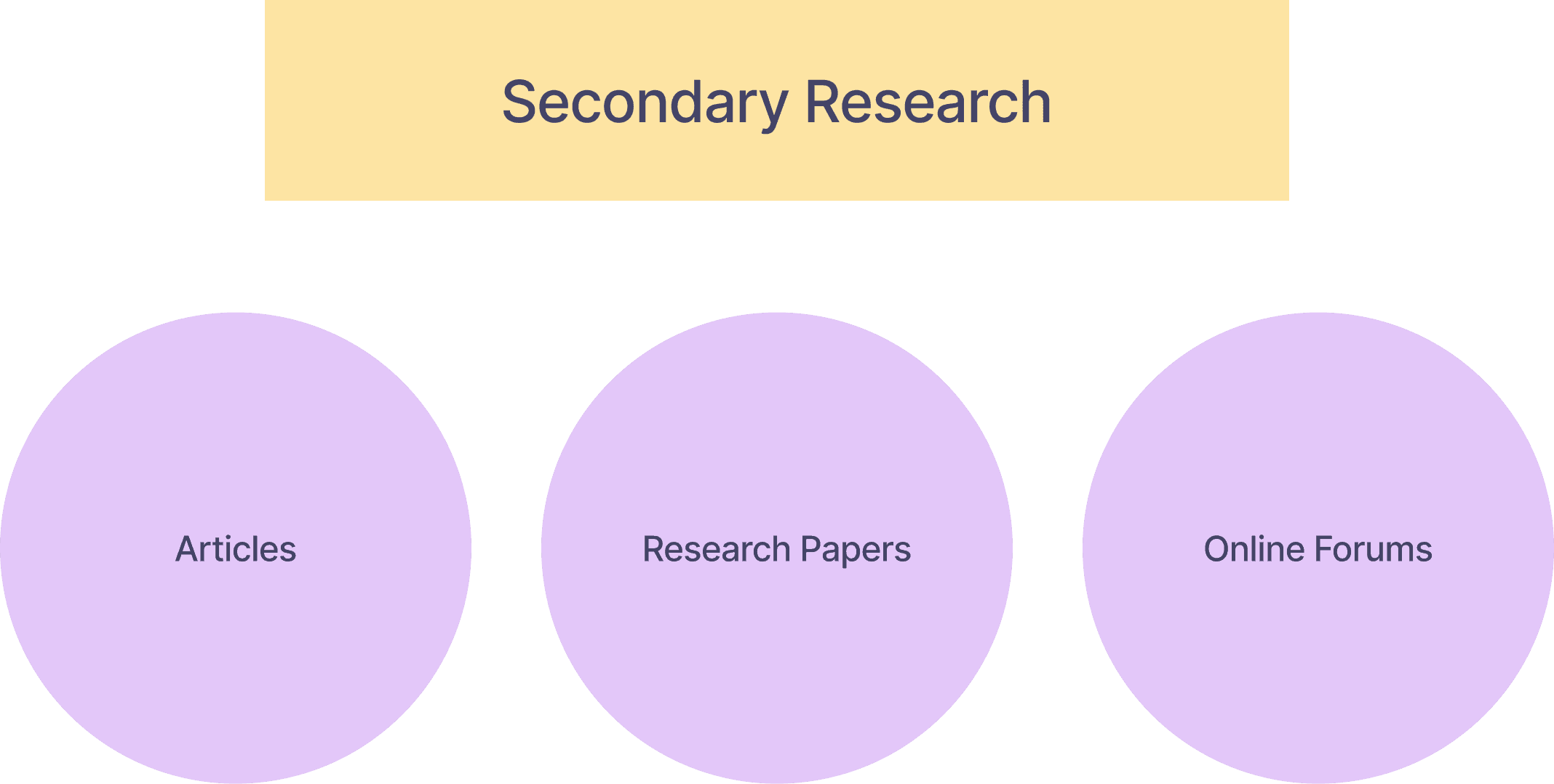
Research Methods

Ecosystem maps
Our ecosystem maps helped us understand the larger system and the relationships between its entities.
Patients
• Although patients have much to contribute to their treatment plans, the absence of systems that support their involvement limits this potential


Doctors
Financial pressures leads to limited time available for each patient
Strict diagnosis requirements limit personalised care


Research Participants


Interviews
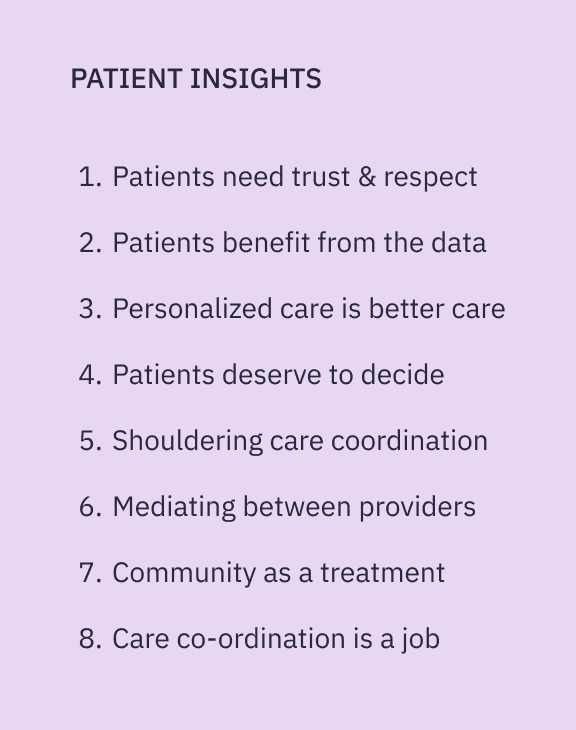
Patient Snapshot


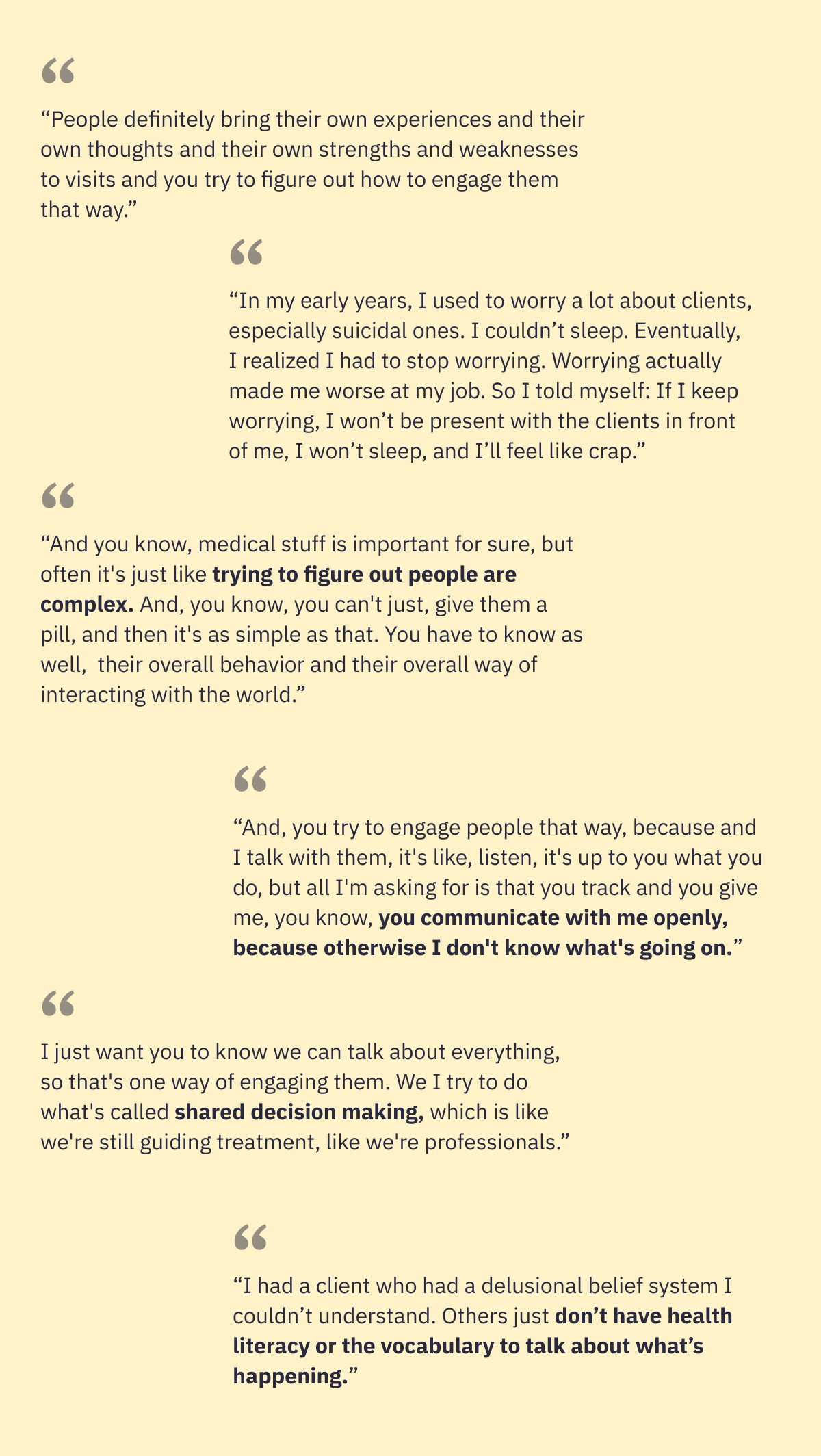
Clinician Snapshot


CO-Creation
Goal
Validate insights and refine design principles.
Deepen understanding of co-creator priorities.
Co-ideate experience-driven solution directions.
Session Overview
Mapping Pain Points
Role-Play
Buckets with Principles
Mapping Pain Points
We invited our KC(co-creator) to map out the day-to-day challenges she faces in her care journey. This included refill logistics, delivery issues, insurance re-verification, fragmented provider communication, and lack of access to trusted community resources.
Main takeaway: Chronic care burdens go far beyond appointments. Patients take on ongoing coordination, admin tasks, and emotional labor that often
go unsupported.

Role-play
KC walked us through her ideal healthcare experience, especially between appointments. She shared how she prefers to handle medication, insurance, symptom tracking, and provider messaging. Emphasizing the role of time, agency, and personalized workflows.
Main takeaway: Patients often know what to do but lack support for how to fit care into real life. Systems need to help with implementation, not just provide instruction.

Buckets with Principles
We grouped KC’s challenges into key themes (medication logistics, insurance, communication, and transportation) and co-created early design principles, such as “Care should adapt to life” and “Community wisdom is medical wisdom.”
Main takeaway: Time is a hidden cost
in care. Through design, we should aim to respect and return time to patients through adaptive and human-centered workflows.

DESIGN PRINCIPLES
