ATTUNE
AI Healthcare
Product Design
Interaction Design
Service Design

(TIMELINE)
15 weeks
Attune is an AI-powered wellbeing system for hospitality workers that detects moments of stress and helps employees, peers, and managers respond without turning support into surveillance.



(MYROLE)
I led the employee-facing product experience, including the mobile app, wearable interactions, visual system, and end-to-end flows. I also co-led worker interviews and co-creation sessions, translating research into design principles, prototypes, and testable service moments.
INTRODUCTION
Problem
Service workers experience ongoing stress during shifts. But limited trust and fragmented communication mean stress stays unaddressed in the moments that matter most.
Findings
AI can help only if workers control what gets shared the system must nudge support, not monitor productivity
Oppurtunity
How might we help hospitality workers
get support in stressful moments while preserving privacy, agency, and trust?
Solution
Before shift - Get in the zone
worker checks in, completes breathwork, sees operational context, and prepares emotionally and mentally
During shift - Detect and regulate
During peak stress - Ask for support safely
After shift - Reflect and recover
Over period of time - Understand patterns
USER FLOW

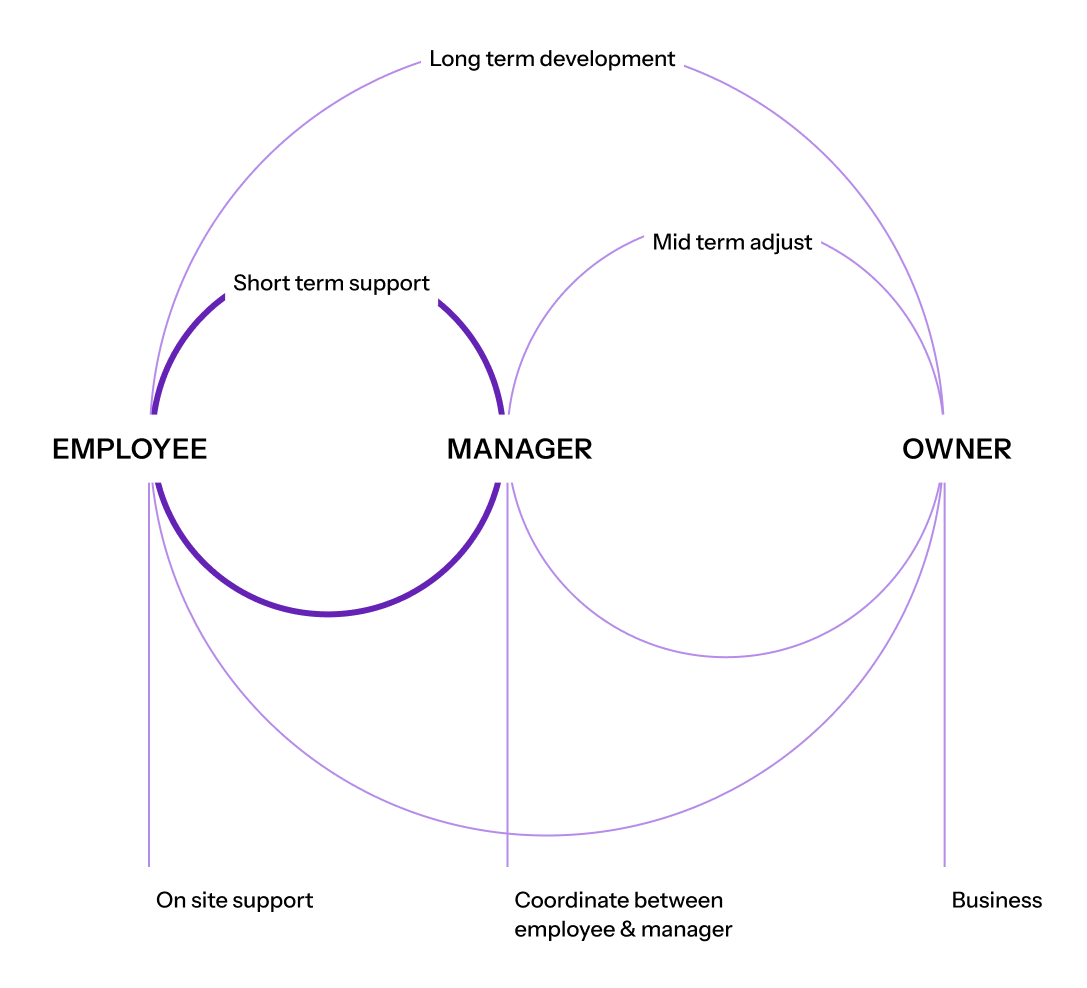
INITIAL RESEARCH
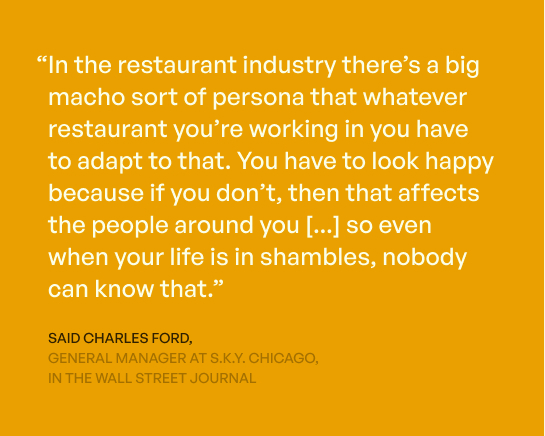
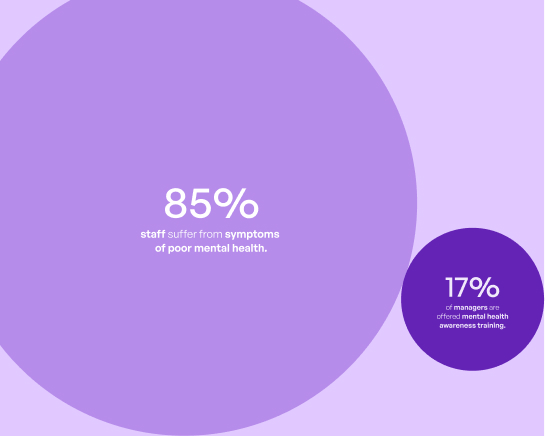
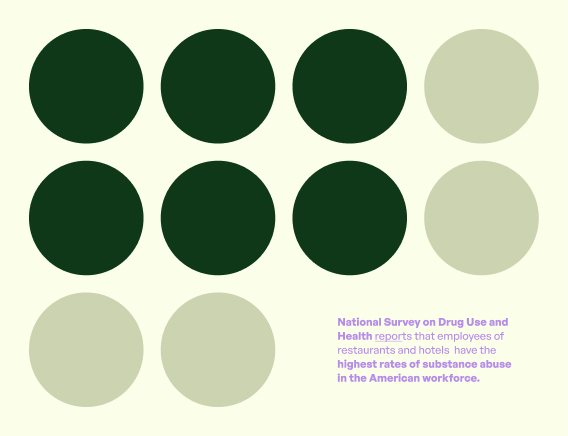
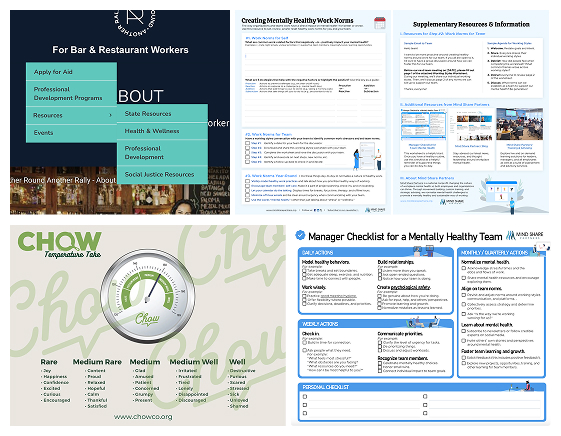
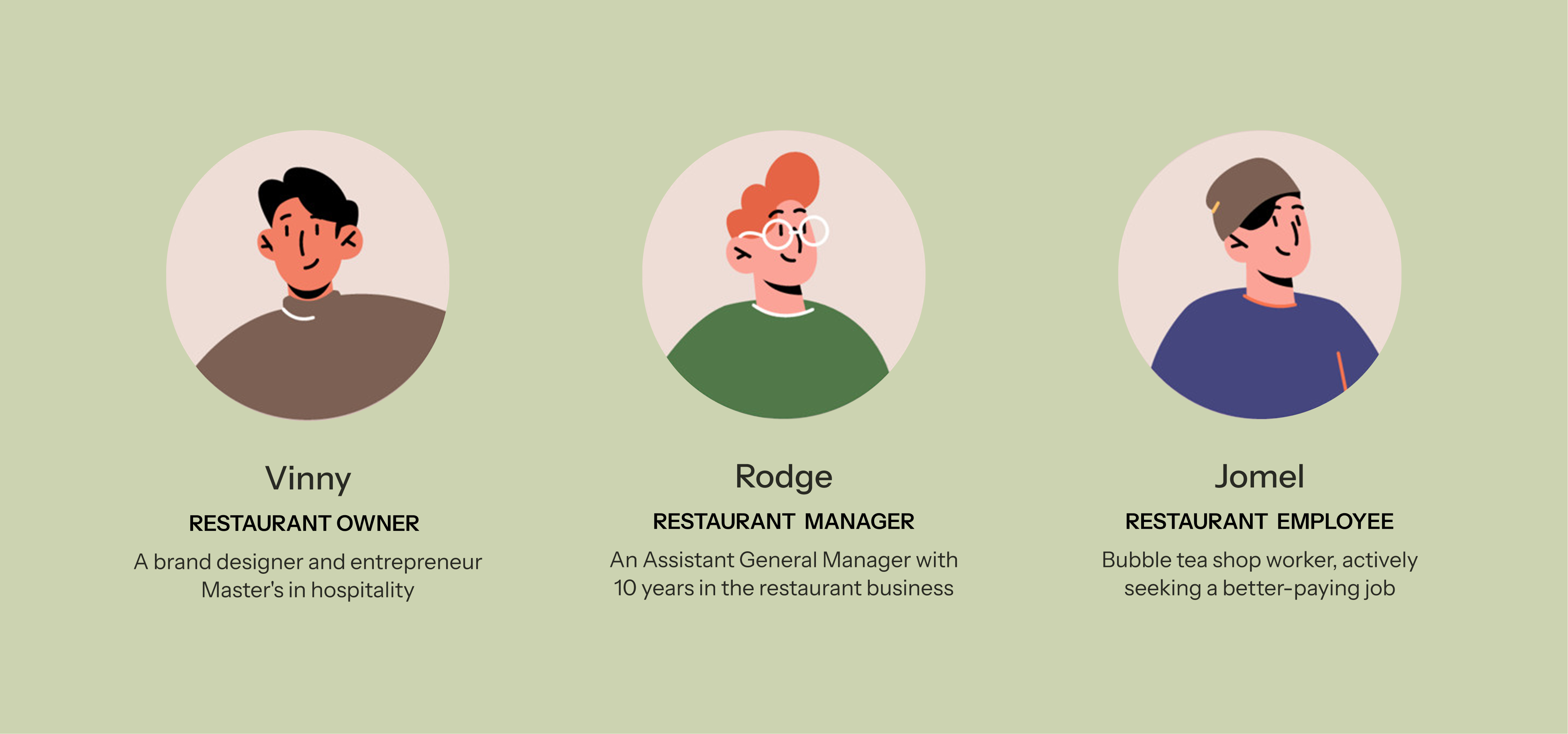
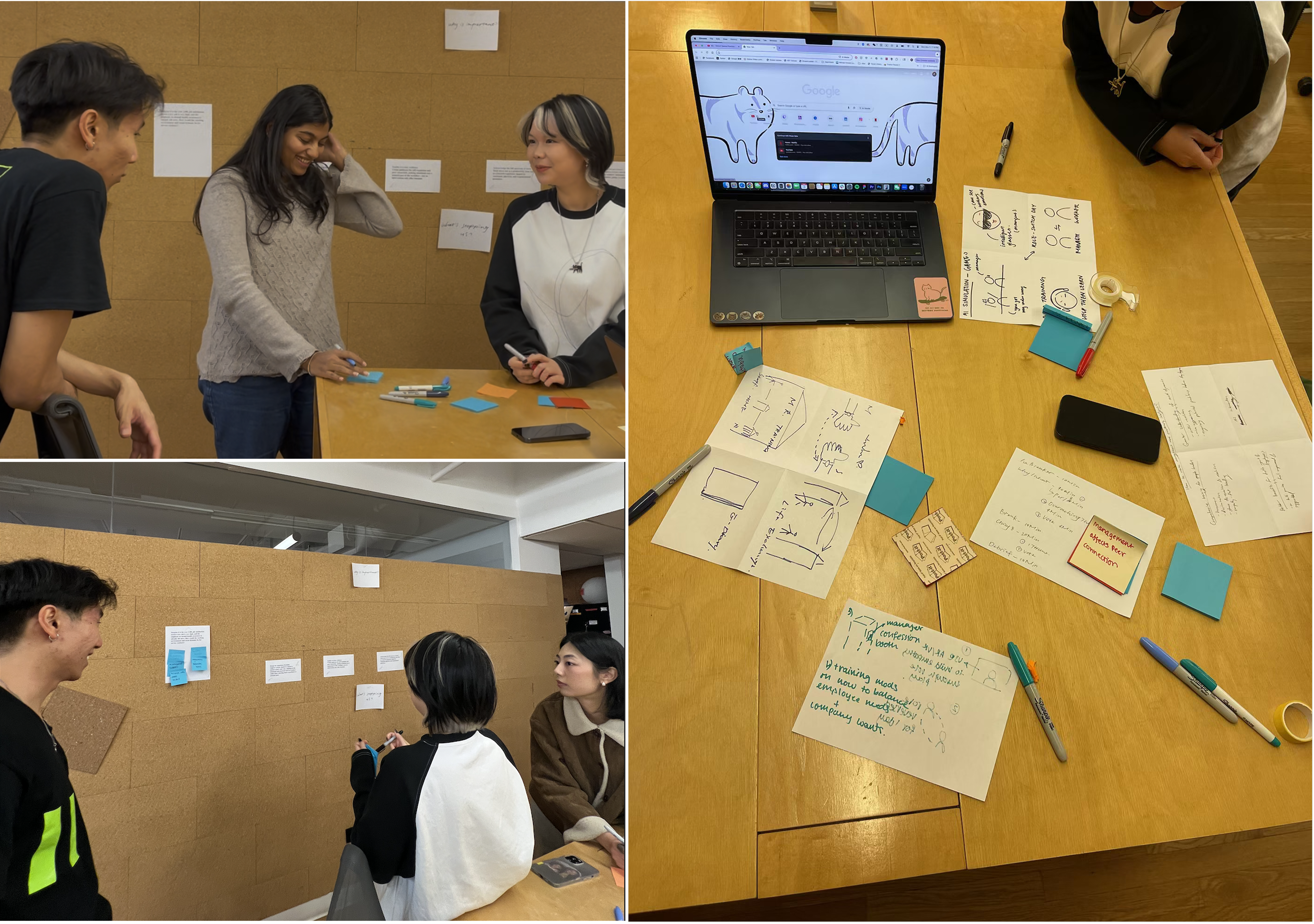
USER INTERVIEWS AND CO-CREATION
Insights
Human Support and Empathy
Insight 1: “Human touch matters” beats tools or procedures. Insight 2: Small, consistent gestures of care go farther than ‘corporate’ programs.
Stress and Emotional Labour
Insight 3: Stress is emotional as much as physical. Insight 4: Politics and power dynamics are core stressors. Insight 5: Workers face ‘double pressure’ from managers and customers.
Coping Strategies
Insight 6: People self-regulate on shift; formal channels feel unsafe. Insight 7: Connection with co-workers helps buffer stress.
Management and Leadership
Insight 8: Many managers aren’t trained (or incentivized) to care empathetically.
AI in Mental Health
Insight 9: People are wary: AI must not surveil or be ‘for productivity.’ Insight 10: AI’s role (if any): contextual, bias-aware nudges & accessibility.
Relationships and Trust
Insight 11: Co-worker closeness helps, but power dynamics limit manager trust. Insight 12: Workers often build personal ‘safety nets’ with owners to buffer risk.
hover to
see quotes!
2x2 Ideation Matrix
We drew on our insights, aligning them with our design principles to stretch our thinking across levels of feasibility and creativity, encouraging both practical solutions and bold provocations.

Storyboard/Prompts
How might we build genuine empathy within the system (making stress more visible and understood) while ensuring employees still feel safe, supported, and in control, rather than exposed or monitored?


Learnings we wanted to implement
Anonymity & Privacy
Facilitator & Balancing Power
Flexible and adapt
hover to learn more!
Design Principles
Approach adding AI into their workplace with delicacy. AI should not try to replace the connections, but instead facilitate them.
Address stress as a mix of emotional, physical, and organizational pressures, not just workload.
REFLECTION